
Embedding Supplier Systems (PPAP / APQP)
Context In an Automotive OEM, worked with Tier 1 suppliers to strengthen their adoption of APQP and PPAP requirements.
Challenge Suppliers often treated PPAP as a compliance exercise rather than a system for building robust quality. This led to late submissions, incomplete documentation, and increased risk at launch.
Approach Introduced structured APQP workshops, clarified expectations, and coached supplier teams on how PPAP could be used as a proactive tool. Engineering, quality, and operations teams were aligned to ensure requirements flowed into every stage of development.
Outcome Suppliers achieved on‑time PPAP approvals, reduced late changes, and improved launch readiness. The shift from compliance to performance created stronger customer confidence and smoother programme delivery.
Transferable Insight Embedding systems as living frameworks—not static documents—applies equally in healthcare, finance, and digital services where compliance must drive performance.

Tackling Special Cause Variation in Supplier Capability
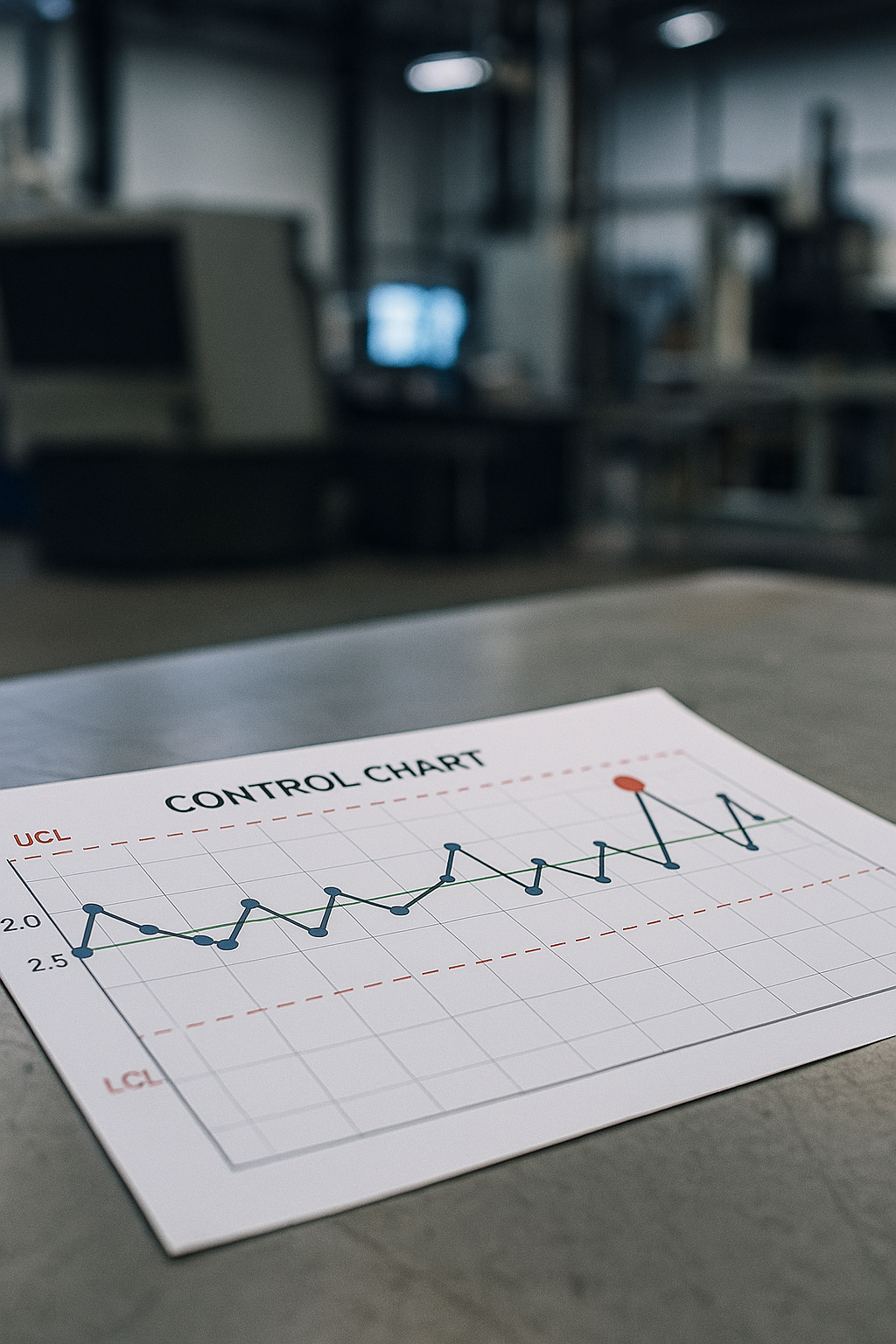
Context During a PPAP submission, a Tier 1 supplier presented capability studies without any supporting process control charts. There was no evidence of process stability, and no assessment of special cause variation. As a result, the supplier was blocked from submitting a PSW and withheld from tooling payment until the issue was resolved.
Challenge Capability indices (Cp, Cpk) appeared acceptable, suggesting the process was capable. However, deeper analysis revealed uncontrolled special cause variation—undetected and unmanaged. This undermined launch readiness and forced the supplier to introduce costly additional inspection to contain risk.
Approach Using structured problem-solving tools, we identified the root causes of variation and coached supplier engineers to interpret data correctly. Control charts were introduced to monitor process behaviour, and corrective actions were implemented to stabilise output. Control plans were updated to reflect the new understanding and prevent recurrence.
Outcome The supplier achieved stable processes, improved predictability, and reduced defects. Launch programmes benefited from greater confidence in capability assessments, and supplier teams gained lasting skills in statistical thinking.
Transferable Insight Understanding variation is critical in any industry—whether managing patient wait times in healthcare or system response times in digital platforms. Capability indices alone don’t guarantee stability. Identifying and eliminating special causes builds resilience, trust, and long-term performance.
Creating a Supplier Assessment & Diagnostic Tool
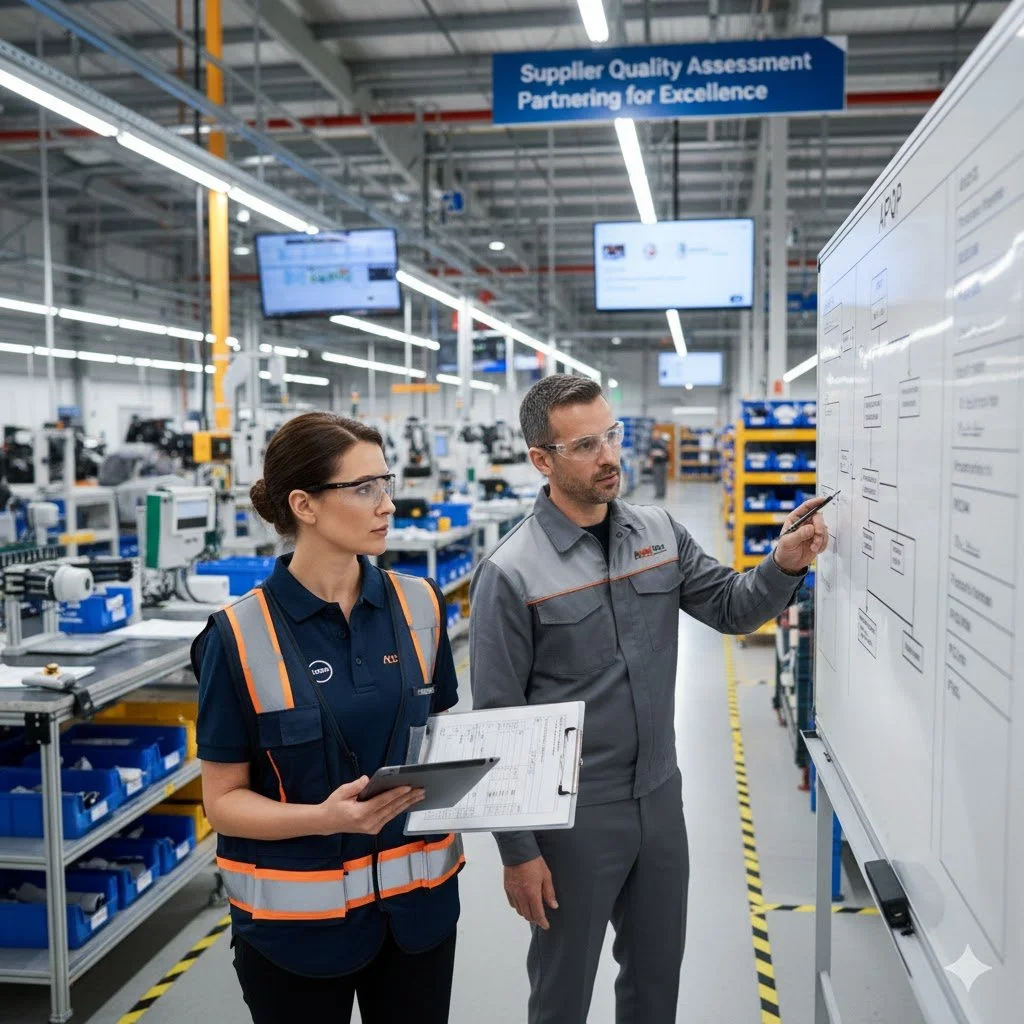
Context At an Automotive OEM we developed a supplier assessment and diagnostic tool to evaluate the suitability of new suppliers and engage with underperforming ones. The tool was built around a structured control plan walk, designed to trace each process step and uncover gaps using the full APQP framework—from planning through validation and feedback.
Challenge The OEM lacked a consistent, scalable method to assess supplier capability and readiness. Poor-performing suppliers often misunderstood expectations, couldn’t identify root causes, and struggled to plan effective recovery actions. This led to delays, quality risks, and reactive escalation. Crucially, lessons from supplier engagements weren’t being captured or fed back into future sourcing decisions.
Approach We designed a diagnostic framework that combined quantitative metrics (quality performance, delivery reliability, process capability) with qualitative insights (leadership, responsiveness, cultural alignment). The control plan walk served as the backbone—mapping each process step against APQP phases to reveal systemic gaps. This enabled a holistic view of supplier maturity and readiness. Workshops helped suppliers interpret their results, understand gaps, and co-create improvement plans with clear ownership and timelines.
To close the loop, insights from each assessment were fed back into sourcing, programme planning, and supplier development strategy—ensuring that learning wasn’t lost and future engagements were better informed.
Outcome The tool became a standard part of the OEMs supplier development process. It improved supplier selection, accelerated onboarding, and enabled targeted recovery plans. Suppliers gained clarity, accountability, and a roadmap for improvement. Internally, it created a shared language for assessing risk and embedded learning into the business.
Transferable Insight Embedding supplier assessment into a robust APQP process ensures that quality isn’t just inspected—it’s designed, validated, and continuously improved. Whether in manufacturing, healthcare, or digital delivery, structured diagnostics and feedback loops turn supplier management from reactive firefighting into strategic capability building.
Digital Transformation for Supplier Collaboration
Context As an automotive OEM moved towards agile transformation, supplier collaboration tools were outdated and fragmented, slowing communication and decision‑making.
Challenge Suppliers struggled to access real‑time information, leading to delays, duplication, and misalignment across programmes.
Approach I led the introduction of new digital collaboration platforms, replacing legacy tools with integrated dashboards and shared workspaces. Supplier and JLR teams were trained to use agile boards, document repositories, and live KPI tracking.
Outcome Communication improved dramatically: suppliers accessed real‑time data, issues were resolved faster, and programme alignment strengthened. The digital transformation reduced rework, accelerated decision‑making, and created transparency across the supply chain.
Transferable Insight Digital collaboration is a universal enabler—whether coordinating hospital teams, managing retail supply chains, or developing software. The principle is the same: shared visibility drives performance.

Want to explore how Peak Performance Systems Can Help You
〰️
Click on a link below
〰️
Want to explore how Peak Performance Systems Can Help You 〰️ Click on a link below 〰️